How it began
A place born from
practice
Doron Hanoch first came to Lake Atitlan the way many people do, as a traveler looking for somewhere to slow down. He left differently, knowing he would come back and build something here.
With nearly three decades of yoga and Zen practice behind him, training at The Natural Gourmet Institute in New York City, and years of teaching across multiple continents, Doron had a clear picture of what a retreat center could be.
Not a hotel that offers yoga. Not a spa that lights incense. Something built from the ground up with practice at its center, where the architecture, the food, the land, and the community all serve the same purpose.
"I didn't want to create another beautiful place. I wanted to create a place that actually works, where something changes in the people who come here because the environment is designed for that."
He found that land in Tzununa, a small Mayan village on the northwest shore of Lake Atitlan, surrounded by volcanoes, held by the mountains, and shaped by the sound of the river.
The land had a quiet strength to it. The river moved through it like a prayer. The volcanoes held it like guardians. It was not a place that needed to be turned into something. It was a place that needed to be listened to.
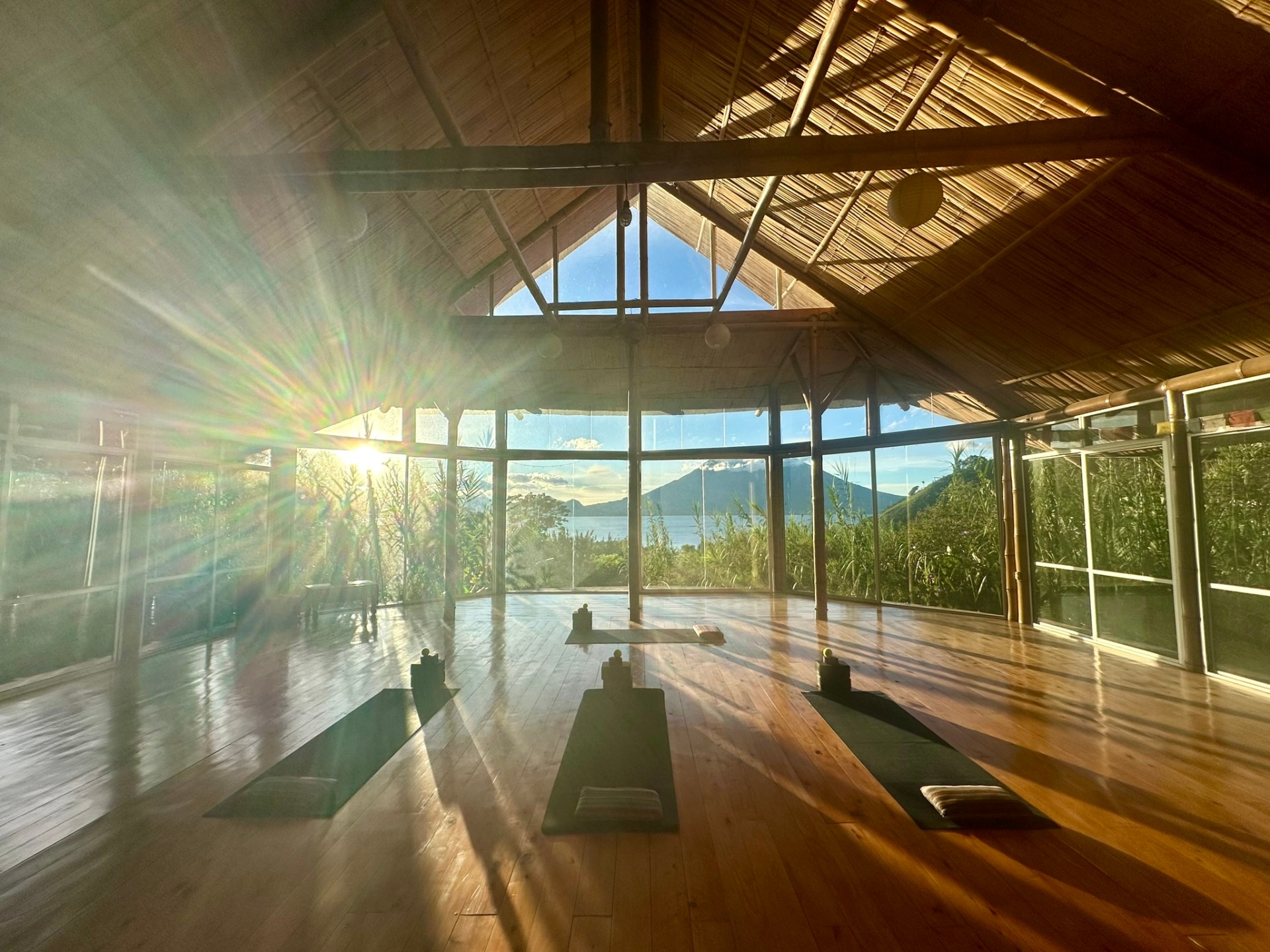
The Dharma Hall, built above the Tzununa river, 2016
How it was built
Built by Mayan hands,
from Mayan land
The center was built from scratch using permaculture principles and locally sourced materials: cypress, cane, pine, bamboo, and stone from the surrounding land. Ninety percent of the workers who built it, and who still work here, are from the village of Tzununa itself.
That was not incidental. It was the point.
The main yoga shala, 180 square meters of floating cypress floor, was built on stilts above the river, with full-length windows framing the lake and volcanoes. It took nearly a year to complete.
The Buddha Cafe, the temazcal, the gardens, the accommodations, the stone paths, and the quiet corners were all designed with the same intention. Not comfort for its own sake, but comfort in service of practice. Not beauty as decoration, but beauty as a way of helping the nervous system soften.
The property runs on spring water from the municipality. The kitchen garden grows coffee, bananas, avocados, herbs, and more than thirty varieties of fruit and vegetables. Much of what guests eat is grown on the land. What is not grown here is sourced locally.
This was never just a marketing idea. It was a way of living.
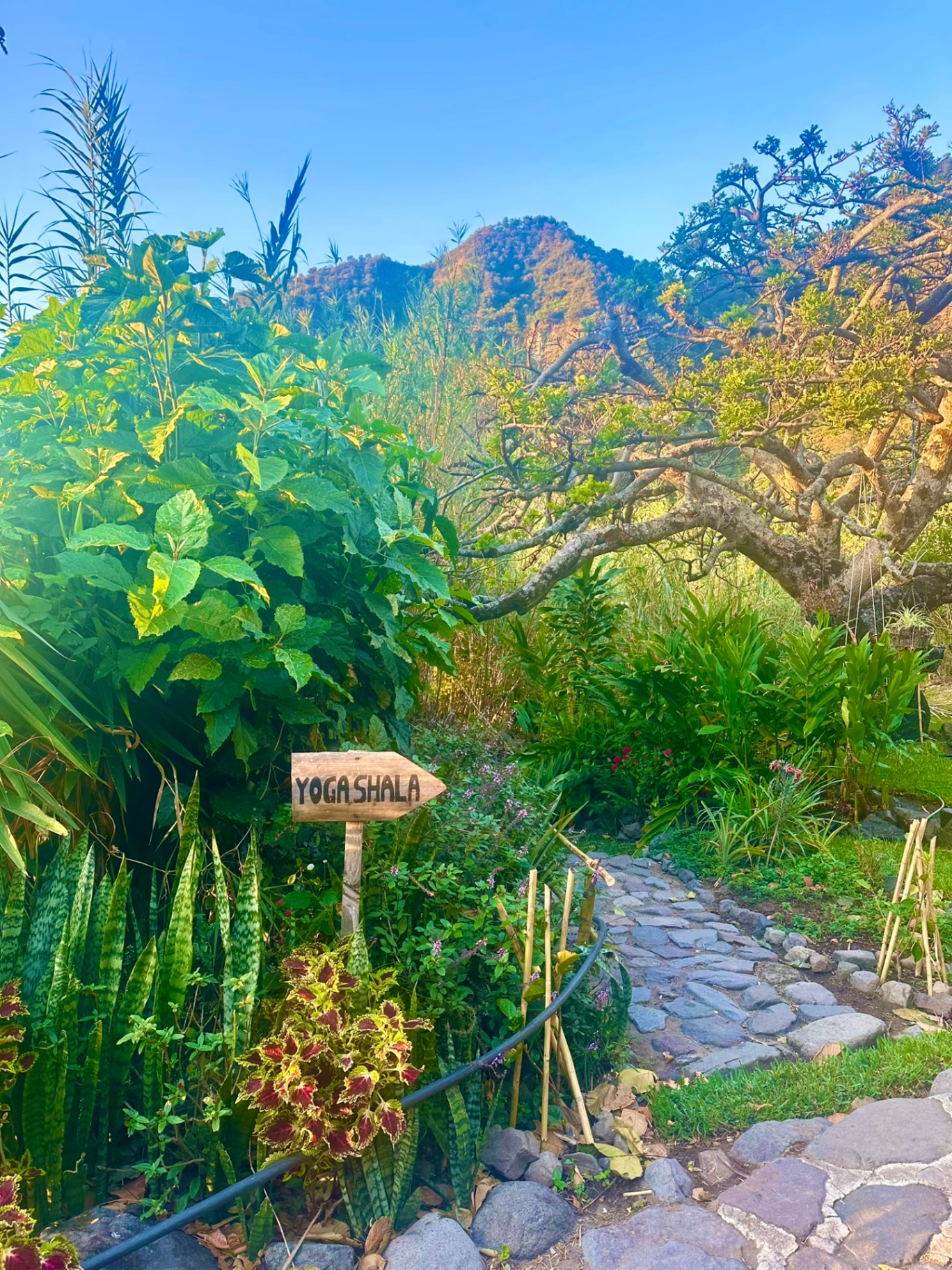
The path to the shala, built by hands from Tzununa
The next chapter
From Doron Yoga & Zen Center
to Alma Atitlan
For years, the center carried Doron's name and reflected his devotion to yoga, Zen, food, focus, and disciplined practice. It welcomed guests from around the world for yoga teacher trainings, retreats, Spanish immersion, quiet stays, and community living.
Over time, the center began asking for a new name. Not because the original vision was ending, but because it was ready to become something wider.

Doron Hanoch · Founder, three decades of yoga and Zen practice
Alma means soul. And that is what this place has always had.
Alma Atitlan is not a reinvention as much as a revealing. The same land. The same river. The same shala above the water. The same gardens. The same village roots. The same devotion to practice, simplicity, and presence.
But now, the center is being guided into a new season by Hilery Hutchinson, whose own life and work bring another layer to Alma's purpose.
Where Doron built the foundation, Hilery is helping shape the feeling.
Where the original vision created a place for discipline, practice, and mindful living, the Alma vision expands into nervous system healing, emotional safety, community, embodied wisdom, and the quiet return to the self.
This is the next breath of the same place.
Hilery's vision
A sanctuary
for remembering
Hilery did not arrive at Alma simply as a manager. She arrived as someone who understands, through her own life, why places like this need to exist.
After more than twenty years in the wellness world, working across many countries and disciplines, Hilery's work has always circled around one essential truth: healing is not about becoming someone else. It is about remembering the wholeness that was never truly lost.
Her own healing journey taught her that people do not need more pressure to transform. Most people are already carrying too much. What they need is a place where the body can feel safe enough to soften, where the heart can speak without being rushed, and where the soul can begin to remember its own rhythm.
That lived experience now informs the new essence of Alma.
Hilery brings to the space a deep understanding of nervous system restoration, somatic healing, yoga therapy, Thai Yoga Massage, breathwork, Human Design, Gene Keys, chakra healing, meditation, and spiritual life coaching. But more than any modality, she brings a way of seeing people.
Not as problems to be fixed. Not as projects to be improved. But as whole human beings who may simply need safety, space, support, and enough quiet to hear themselves again.
Alma Atitlan is becoming a place for the world we believe people need most right now.
A place to step out of survival mode. A place where rest is not treated as laziness, but as medicine. A place where people can eat slowly, breathe deeply, move gently, sit by the river, listen to the lake, and remember that they are allowed to belong to themselves.
In a world that moves quickly, Alma moves differently.
Here, healing does not need to be loud. It does not need to be performed. It does not need to be forced into a breakthrough.
Sometimes healing looks like sleeping through the night for the first time in months. Sometimes it looks like sharing a meal with strangers and realizing you feel safe. Sometimes it looks like crying during yoga, laughing by the fire, walking barefoot through the garden, or sitting in silence while the volcanoes disappear into mist.
Sometimes it looks like doing less, not more.
This is the heart of Alma's new chapter: simple practices, honest connection, deep rest, and the slow return to yourself.
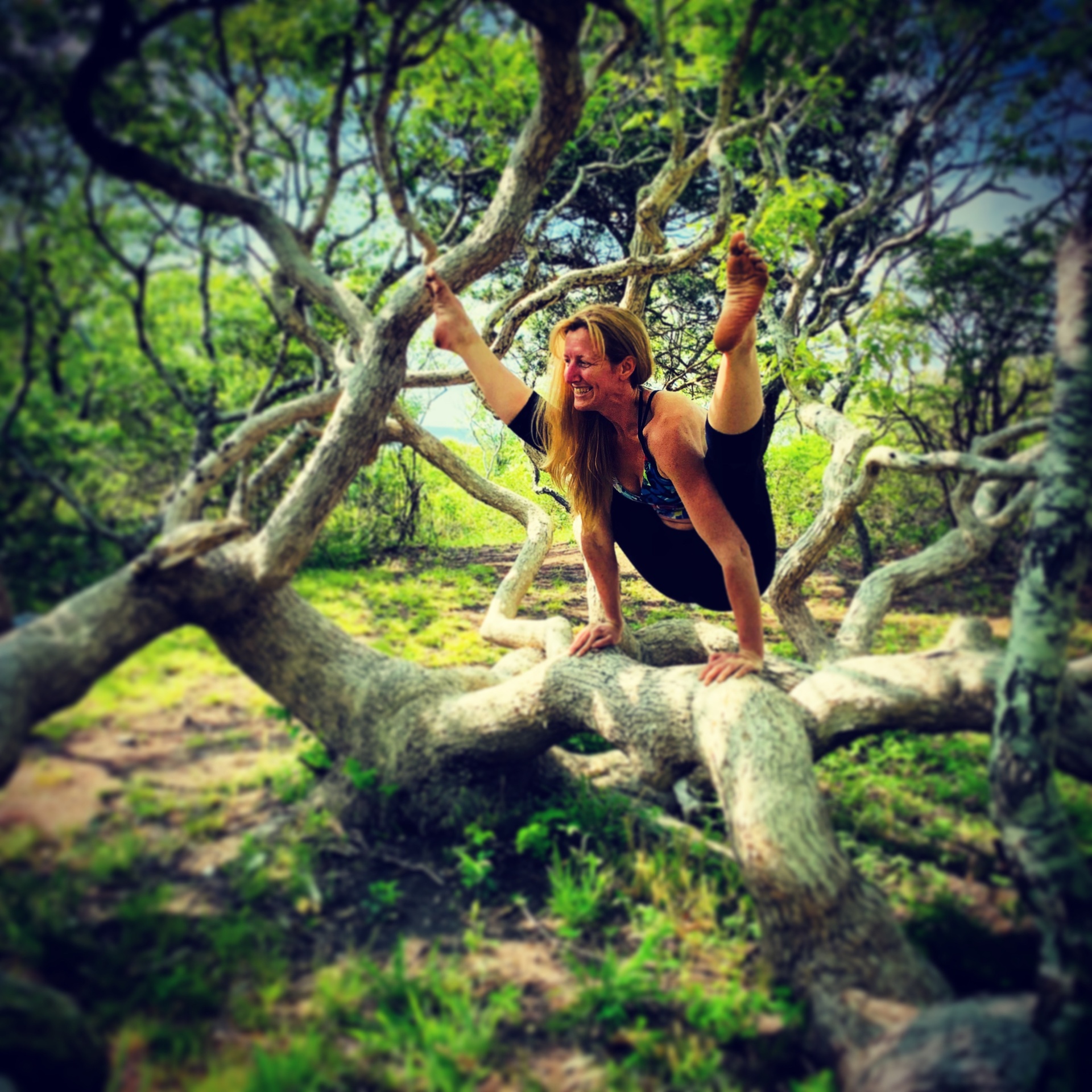
Hilery Hutchinson · Steward of Alma Atitlan